
 Shop all
 Best Sellers
 Pleasantrees
 Flower
 Pre-Rolls
 Vapes
Vapes
 Edibles
 Concentrates
 Beverages
 Specials

How to Grow Cannabis Clones at Home: A Michigan Grower's Guide
Whether you’ve been dreaming about growing your own flower, you’re a seasoned cultivator looking for top-shelf genetics, or you just love the idea of watching something incredible grow from a tiny plant into a full harvest — we’ve got exciting news: Clones are back at Pleasantrees Mt. Clemens.
If you’ve ever thought about growing your own cannabis, clones are the best place to start — and this season, Pleasantrees is dropping hand-selected strains from our own cultivation facility, and we put together this guide to help you bring them home with confidence.
Below you’ll find everything you need to know — from what clones are and why they’re a smart choice for home growers, to the lighting, feeding, and environmental tips that’ll keep your plants thriving from day one.
What Are Cannabis Clones?
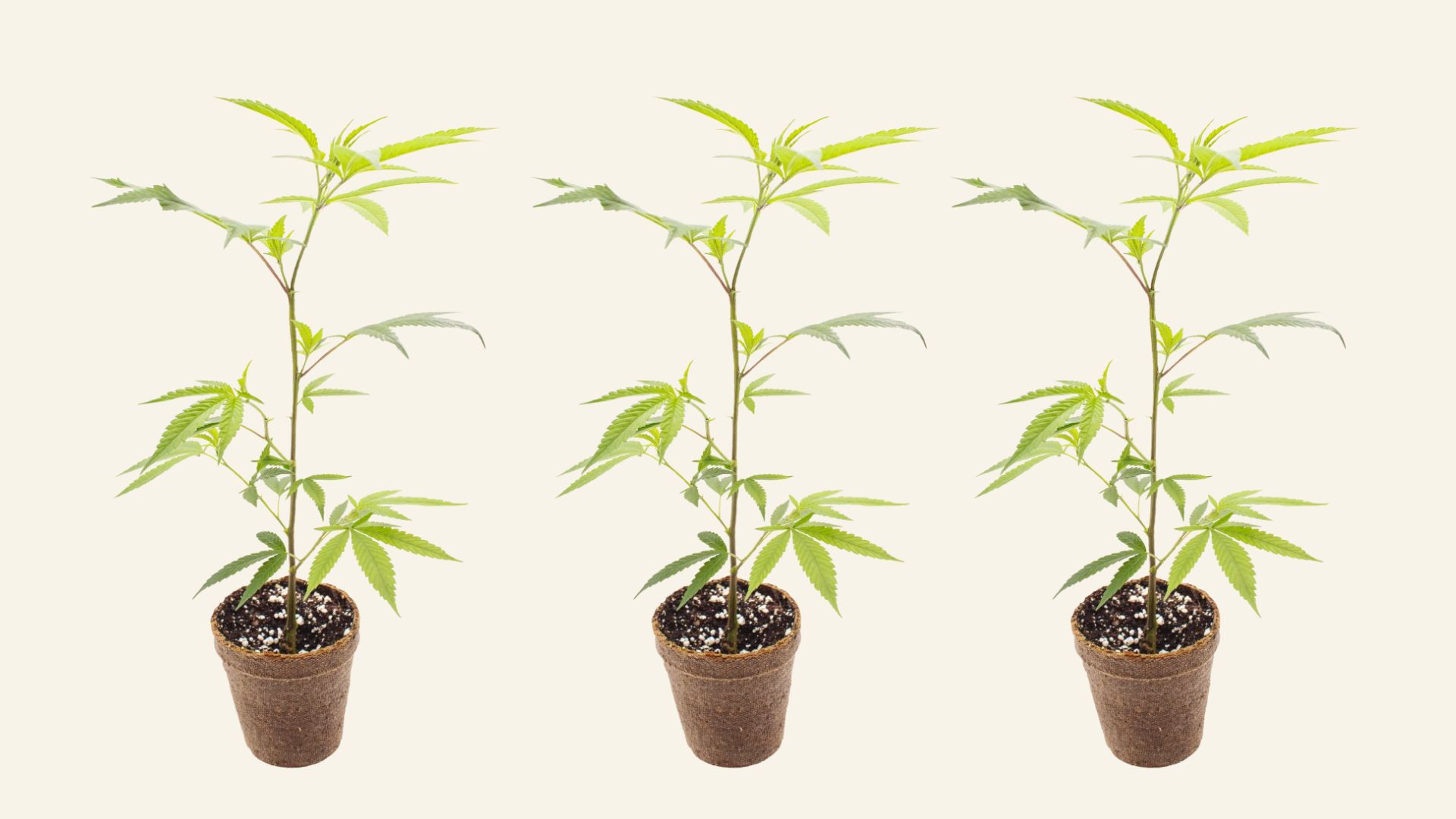
If you’re new to cultivation, here’s the short version: a clone is a cutting taken from a live cannabis plant (called the “mother”). Because it’s a genetic copy, every clone carries the exact same traits — flavor, potency, growth patterns — as the mother. That means when you purchase a Pleasantrees clone, you’re growing the same genetics our team cultivates in-house.
Clones give home growers a major head start compared to seeds. There’s no germination wait, no guessing whether your plant is male or female, and no genetic lottery. You’re starting with a proven winner.
Cannabis Clones vs. Cannabis Seeds: Why Clones Are a Great Starting Point
If you’re weighing whether to start from seed or pick up a clone, here’s why we think clones are the move — especially for newer growers.
With seeds, you’re rolling the dice. Germination can take days, and not every seed will pop. Regular seeds have roughly a 50/50 chance of producing a male plant, which won’t give you the flower you’re after. Only female plants produce the flower that we seek. Feminized seeds improve those odds, but you’re still waiting through the seedling stage before real growth kicks in.
Clones skip all of that. You’re starting with a rooted, living plant that’s already a few weeks into its life. The genetics are locked in, the sex is guaranteed female, and you can jump straight into the vegetative phase. For first-time growers especially, that shortcut makes a real difference in confidence and success rate.
What You'll Need Before Bringing a Clone Home
A little prep goes a long way. Before you pick up your clone, make sure you have the basics ready so your plant can settle into a healthy environment right away.
A grow space with climate control. This doesn’t have to be fancy — a grow tent, a spare closet, or a dedicated room all work. What matters is that you can manage temperature and humidity. Clones do best at 76°–84°F and 70%–74% humidity in their early days.
A grow light. You’ll need a light capable of running 18–24 hours per day during the vegetative phase. Look for a light rated for the vegetative stage — most manufacturers label this on the packaging. You’ll want more intensity when you flip to flower, but your clone doesn’t need full power right away.
A 2–5 gallon pot and growing medium. Within a week or two, your clone will need to be transplanted into a larger pot where it’ll spend the rest of its life. We recommend coco coir as a growing medium — it’s airy and promotes strong root development. Soil works too, but coco gives roots room to breathe without compressing into a tight ball.
Nutrients and a pH meter. Cannabis clones need to be fed, and getting your pH right is one of the most important (and most overlooked) parts of a successful grow.
How to Care for Your Clones: The Complete Starter Guide
This is where the real growing begins. Our cultivation team has decades of combined experience dialing in these details, and we’re sharing the same fundamentals we follow in-house.
Setting Up Your Environment
Your clone’s first few days at home are critical. These are young, fragile plants, and they need a stable, warm, humid environment to establish themselves.
Keep your grow space at 76°–84°F with 70%–74% humidity. If you’re using a grow tent, a small humidifier and an intake/exhaust fan setup will help you dial this in. Avoid placing your clone in direct sunlight from a window — indoor grow lights give you much more control over intensity and schedule.
Within a week or two of bringing your clone home, transplant it into a 2–5 gallon pot with your chosen medium. Handle the root ball gently during transplant. This pot is where your plant will live for the rest of its cycle, so give it room to grow.
Cannabis Clone Lighting Schedule: Vegetative vs. Flowering Phase
Lighting is one of the most important factors in your grow, and it’s also where cannabis cultivation gets interesting. Your plant has two major phases, and each one is triggered by its light schedule.
Vegetative Phase (Phase 1): During veg, your plant is focused on building size — growing taller, developing branches, and establishing a strong root system. Give your clone 18–24 hours of direct light per day using a grow light. As long as your plant is getting more than 12 hours of light, it will stay in veg mode. This is when you shape your plant and grow it to your desired size before flipping to flower. You only need to veg your Pleasantrees clones for two weeks, or until the plant is anywhere from 12-24 inches tall. You can go longer than two weeks but this timeframe helps keep the plant from overtaking large areas.
Flowering Phase (Phase 2): When you’re ready to start producing buds, switch your light schedule to 12 hours on, 12 hours off. This change in photoperiod signals to the plant that it’s time to flower. Increase your light intensity during this phase — flowering plants are hungry for light.
A few things worth knowing about the transition: your plant will continue to stretch and grow during the first 3–4 weeks after the flip (this is sometimes called “the stretch”), so factor that into your space planning.
All Pleasantrees genetics will mature completely in 9 weeks, then your plant is ready to harvest!
How to Care for Your Clones: The Complete Starter Guide
Proper feeding is where many first-time growers either overthink things or don’t think enough. The good news: it’s simpler than it seems once you understand the basics.
Choose a nutrient line. Pick a cannabis-specific nutrient brand and follow the feeding schedule on the packaging. Most nutrient lines are designed with cannabis in mind and will walk you through what to use during veg vs. flower. When in doubt, start at half the recommended dose and work your way up — it’s much easier to fix an underfed plant than an overfed one.
Get your pH right. This is non-negotiable. Your water and nutrient solution should be adjusted to 5.8–6.1 pH (ideal for coco coir and hydro setups; soil growers can aim for 6.0–6.5). If your pH is off, your plant can’t absorb nutrients properly — even if you’re feeding it perfectly. A basic pH meter and some pH up/down solution are small investments that make a huge difference.
Water by feel, not by schedule. Clones are small and don’t need much water or food to start. As the plant grows, it’ll drink more. The best way to know when to water: stick your finger into the soil or coco. If it’s dry an inch or two down, or if the plant is starting to droop slightly, it’s time to feed. The medium should be damp to the touch — never bone dry, never waterlogged. If you press on the soil and can visibly see water pooling, let the plant dry out for a day or two before feeding again.
How to Harvest and Cure Your Cannabis at Home
After weeks of careful growing, harvest is the finish line — but how you handle it makes a real difference in the final product. Rushing the cure is one of the most common mistakes home growers make. Here’s how to do it right.
Know when to harvest. The most reliable way to tell if your plant is ready is to check the color of the trichomes: clear trichomes mean the plant isn’t ready. Milky white trichomes signal peak THC. Most growers aim to harvest when trichomes are mostly milky.
Cut and hang to dry. Once you’ve decided the plant is ready, cut it down and hang whole branches upside down in a cool, dark space with good airflow. Drying typically takes 7–14 days. You’ll know it’s ready when the smaller stems snap cleanly rather than bend.
Trim your buds. Once dry, trim away the sugar leaves — the small leaves growing out of the bud itself. You can trim before drying (wet trim) or after (dry trim). Dry trimming is generally considered to preserve more terpenes and aroma.
Cure in glass jars. Pack your trimmed buds loosely into airtight glass mason jars but don’t overfill. Store them in a cool, dark place. For the first two weeks, open the jars once or twice a day for a few minutes to release moisture and let fresh air in (this is called “burping”). After two weeks, burp every few days. A minimum cure of 2–4 weeks noticeably improves smoothness, flavor, and aroma. Many growers cure for 4–8 weeks for the best results.
The cure is where patience pays off. The same genetics grown and harvested identically will smoke very differently depending on whether they were cured properly. Don’t skip it.
Know Your Plant's Anatomy
Understanding what’s happening with your plant — even at a basic level — helps you spot issues early and make better decisions throughout the grow. Here’s a quick tour:
Roots are the heart of the operation. They absorb water, nutrients, and oxygen, and distribute them throughout the plant. Healthy roots mean a healthy plant — it’s that simple. If your plant looks unhappy above the soil, the answer is almost always below it.
The stem gives your plant structure and stability. It’s also the vascular highway — the xylem moves water and minerals upward, while the phloem transports sugars and organic compounds produced during photosynthesis. A thick, sturdy stem is a sign of a well-fed, well-lit plant.
Fan leaves are the solar panels. They capture light and convert it into energy through photosynthesis. Don’t be too quick to trim them unless they’re blocking light to lower bud sites — they’re doing important work.
Colas are the flowering tops of the plant, and they’re what you’re growing for. Colas contain the highest concentration of trichomes — those frosty, crystal-like structures that concentrate cannabinoids like THC and CBD, as well as the terpenes responsible for your flower’s flavor and aroma.
What Strains Are Available?
Our clone lineup rotates seasonally, featuring hand-selected strains from our own cultivation facility. Each drop includes strains we’ve grown, refined, and are proud to put in your hands. Check with our Mt. Clemens Pleasantrees location for the current selection.
Why Grow Your Own?
There’s something deeply rewarding about cultivating your own cannabis from start to finish. You get to choose the strain, dial in your grow environment, and watch the entire lifecycle unfold — from a small clone to a plant loaded with flower you grew yourself. It’s hands-on, it’s personal, and honestly? The harvest hits different when it’s yours.
Pick Up Your Clones at Pleasantrees Mt. Clemens
Looking for cannabis clones for sale in Michigan? Our Mt. Clemens dispensary is your only source for Pleasantrees-grown genetics. Availability is seasonal and limited — so if a strain catches your eye, don’t wait.
Every clone purchase at Pleasantrees comes with a printed Clone Care Guide. Hold onto it. The guide covers the core care basics and is a good reference in those first few weeks.
Stay pleasant, and happy growing!
Frequently Asked Questions: Cannabis Clones
What is a cannabis clone?
A cannabis clone is a cutting taken from a living cannabis plant. It’s a genetic copy of the original, meaning it carries the same traits — potency, flavor, growth characteristics — as the mother plant. Clones give home growers a reliable starting point without the uncertainty of growing from seed.
How do I care for a cannabis clone?
Keep your clone in a controlled environment at 76°–84°F and 70%–74% humidity. Transfer it to a 2–5 gallon pot with a quality growing medium like coco coir within a week or two. Give it 18–24 hours of light during the vegetative phase and switch to 12 hours on/12 hours off when you’re ready to flower.
How long does it take to grow a cannabis clone to harvest?
After purchasing a clone, you’ll typically spend 3–8 weeks in the vegetative phase (depending on your desired plant size), followed by roughly 9–11 weeks in the flowering phase — though exact timing varies by strain. From clone to harvest, most growers can expect roughly 12–19 weeks total.
How many cannabis plants can I grow at home in Michigan?
Michigan law allows adults 21 and over to grow up to 12 plants at their primary residence for personal use. Always check your local municipal ordinances as well since some cities have additional regulations.
What strains are available as clones at Pleasantrees?
Our clone lineup rotates seasonally, with new strains dropping throughout the growing season. Check with our Mt. Clemens Pleasantrees location for the latest availability — strains are limited and sell out quickly.
What’s the difference between the vegetative phase and the flowering phase?
During the vegetative phase, your plant focuses on growing bigger — building branches, leaves, and a strong root system. This phase is maintained by giving the plant 18–24 hours of light per day. The flowering phase begins when you switch the light schedule to 12 hours on and 12 hours off, which signals the plant to start producing buds. Each phase has different lighting and nutrient needs.
What pH should I use when feeding cannabis clones?
For coco coir and hydroponic setups, aim for a pH of 5.8–6.1. For soil, 6.0–6.5 is the sweet spot. Keeping your pH in range ensures your plant can actually absorb the nutrients you’re feeding it — even a perfect nutrient mix won’t help if the pH is off.
What’s the best growing medium for cannabis clones?
Coco coir and soil are both popular options. Coco coir is lightweight and airy, which promotes strong root development and makes it harder to overwater. Soil is more forgiving for beginners and often comes pre-amended with nutrients.
Where can I buy cannabis clones in Michigan?
If you’re looking to buy cannabis clones in Michigan, they are available at our Mt. Clemens dispensary location. Clone availability is seasonal and limited, so visit or call ahead for the latest stock. For all other Pleasantrees products, visit any of our five Michigan locations—East Lansing, Mt. Clemens, Hamtramck, Lincoln Park, and Houghton Lake.